
The Global Chip Shortage: Understanding the Silicon Wafer Crisis and What It Means for Our Industry



Silicon wafers are ultra-pure, thin slices of crystalline silicon that serve as the substrate for semiconductor devices. Every processor, memory DIMM, storage controller, and network ASIC begins its life on a wafer.
Producing wafers is highly specialized and capital-intensive. The most advanced manufacturing today uses 300mm wafers, and expanding this capacity requires billions of dollars, years of planning, and highly technical fabrication facilities (fabs).
When wafer production slows or fails to scale in line with demand, the entire technology stack feels the impact.
What Caused the Shortage?
The semiconductor shortage was not triggered by a single event. It was the result of a perfect storm of global forces:
1. Pandemic-Driven Demand Surge
During COVID-19, global demand for laptops, cloud infrastructure, networking equipment, and consumer electronics surged. Remote work, digital transformation initiatives, and e-commerce acceleration dramatically increased semiconductor consumption.
At the same time, automotive manufacturers initially reduced chip orders—only to ramp back up quickly—creating severe allocation imbalances.
2. Limited Wafer Manufacturing Capacity
Wafer production is dominated by a small group of global manufacturers. Scaling production is neither quick nor flexible. Unlike software, hardware capacity cannot be “spun up” overnight.
The industry was operating near maximum utilization even before the pandemic, leaving little buffer for sudden demand spikes.
3. Geopolitical and Trade Tensions
Trade restrictions and export controls between major economies added additional strain. Companies began stockpiling inventory to hedge against uncertainty, which further distorted supply-demand balance.
4. Natural Disruptions and Operational Constraints
Fires, droughts (impacting water-intensive fabs), and regional power constraints in Asia compounded the situation. Semiconductor fabrication requires stable utilities and ultra-clean environments; even small disruptions can halt production.
5. AI and Data Center Acceleration
The explosion of AI workloads, hyperscale data centers, and high-performance computing significantly increased demand for advanced CPUs, GPUs, memory, and storage controllers—placing even more pressure on wafer supply.
The Impact on Enterprise Infrastructure

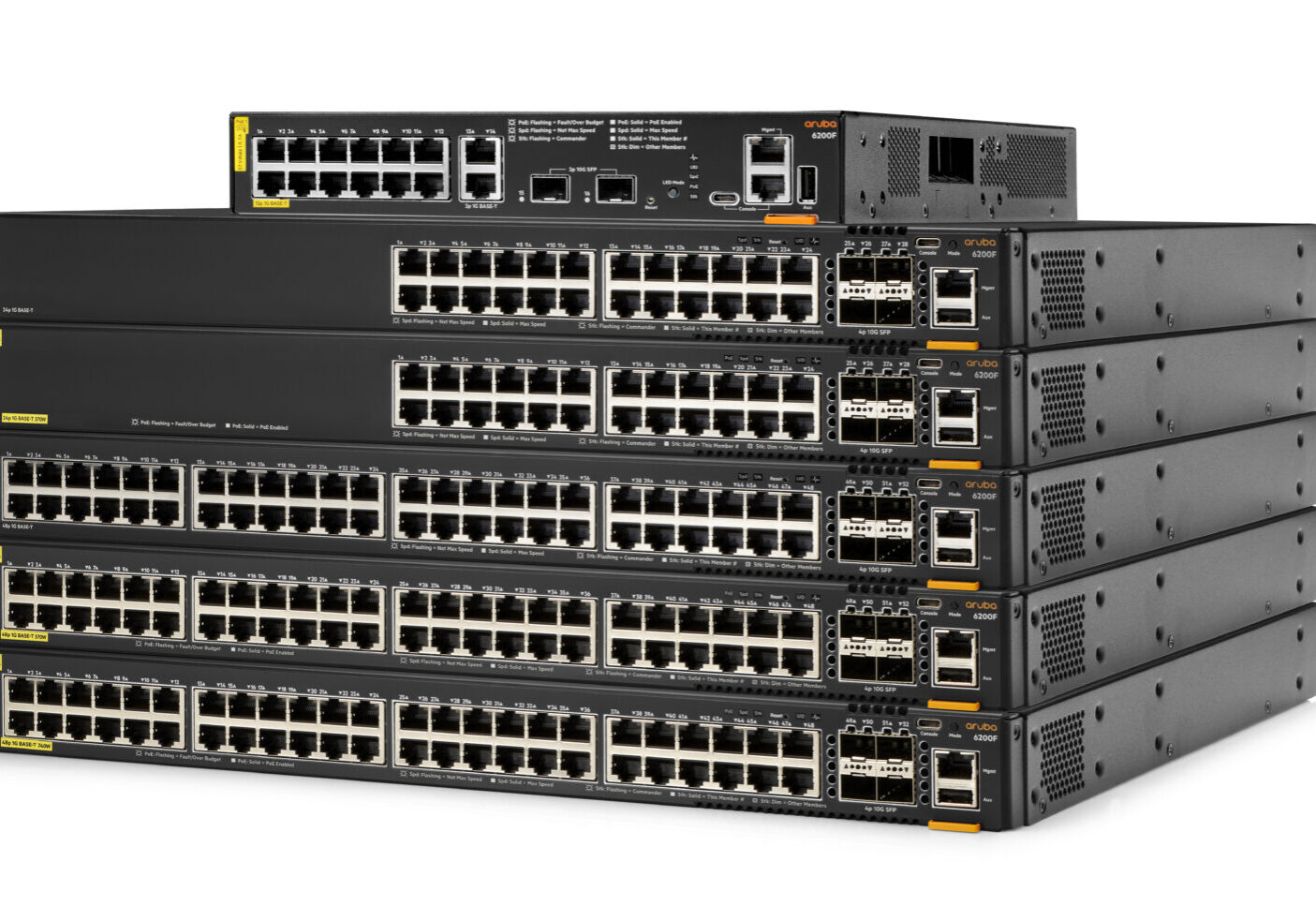
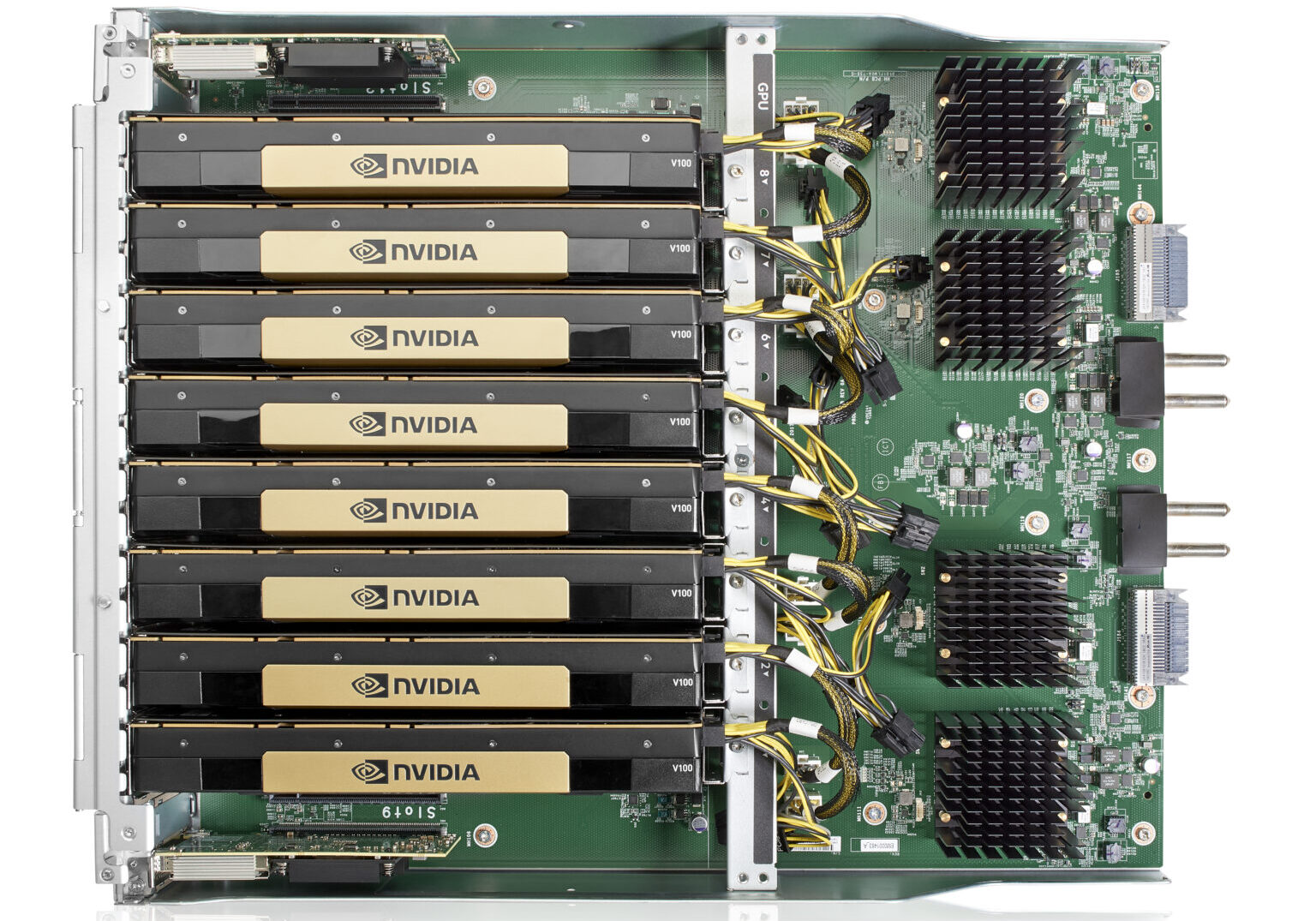
-
Extended lead times on servers and storage systems
-
Memory module shortages (DRAM and NAND volatility)
-
Networking ASIC allocation constraints
-
Pricing fluctuations across infrastructure components
-
Configuration changes due to constrained parts
For enterprise customers planning digital transformation, AI deployment, or infrastructure refresh cycles, this has meant greater complexity in forecasting and procurement.
What Is the Industry Doing?
Major semiconductor manufacturers have committed hundreds of billions of dollars to expanding fab capacity in the United States, Europe, and Asia. Governments have also responded with initiatives to localize semiconductor production and reduce reliance on concentrated regions.
However, semiconductor fabrication expansion takes years—not months. The industry is in recovery mode, but structural supply discipline and demand growth (especially driven by AI) continue to create pressure points.
What This Means for Customers Today
Organizations must now plan differently:
-
Forecast infrastructure needs earlier
-
Build flexibility into configurations
-
Consider alternative SKUs when required
-
Partner with distributors and OEMs who have allocation visibility
Supply chain resilience has become a strategic advantage.
Our Commitment Moving Forward
At Westham, we recognize the operational and financial impact that component shortages can have on your business. That is why we are doing everything possible to mitigate disruption—through proactive forecasting, early engagement with manufacturers, configuration flexibility, and transparent communication.
Most importantly, we are working very closely with HPE to secure allocation, anticipate constraints, and provide viable alternatives when specific components—such as memory or specialty SKUs—are constrained.
Our priority is simple:
To ensure that your infrastructure projects stay on track, even in a constrained global environment.
While the silicon wafer shortage has tested the entire technology ecosystem, it has also reinforced the importance of strong partnerships, supply chain intelligence, and strategic collaboration. Westham remains fully committed to navigating these challenges alongside you.
The industry is evolving. We are evolving with it.